
Kuala Lumpur (KL) is best known for its towering skyscrapers, luxury shopping malls, and fast-paced city life. However, beyond the modern metropolis lies a rich tapestry of history hidden within its forgotten neighborhoods. These areas, once the lifeblood of KL’s growth, now remain in the shadows of rapid development. Walking through them feels like stepping back in time, offering a glimpse into the city’s past.
1. Kampung Baru – The Last Malay Village in the City

Kampung Baru, established in 1899, remains one of KL’s last-standing traditional Malay settlements. Despite the city’s rapid modernization, this neighborhood has held onto its roots, with wooden houses on stilts and a strong sense of community.
Walking through Kampung Baru, the aroma of authentic Malay food fills the air. The Kampung Baru Night Market is a must-visit, offering delicacies such as nasi lemak, satay, and roti jala. As you explore, the sight of century-old houses standing against the backdrop of KL’s modern skyline is a striking contrast, symbolizing the delicate balance between tradition and progress.
2. Chow Kit – A Market That Time Forgot

Once KL’s busiest commercial district, Chow Kit is now an underrated part of the city, often overlooked in favor of newer shopping areas. However, Chow Kit Market remains the beating heart of the neighborhood. This is KL’s largest wet market, where vendors sell fresh produce, spices, and traditional Malay ingredients.
Chow Kit also has a fascinating history. It was once home to KL’s red-light district and underground trade. While that era has faded, remnants of its past still linger in the old shop lots and crumbling buildings, each with a story to tell. A walk through Chow Kit is a journey into KL’s forgotten commercial past, where traditional businesses still thrive amid urban renewal.
3. Brickfields – Beyond Little India
Brickfields is often associated with KL’s Indian community, but its roots go deeper than that. This area was originally home to KL’s brick-making industry in the late 1800s and later became a settlement for railway workers. Today, the mix of history and culture makes it a fascinating place to explore.
The Vivekananda Ashram, built in 1904, stands as a heritage landmark amidst modern development. A short walk away, you’ll find old colonial-era buildings, churches, and temples that reflect the neighborhood’s multicultural history. Beyond the usual tourist spots, Brickfields offers a glimpse into KL’s diverse heritage that is often overshadowed by its present-day reputation.
4. Sentul – The Remnants of KL’s Railway Era
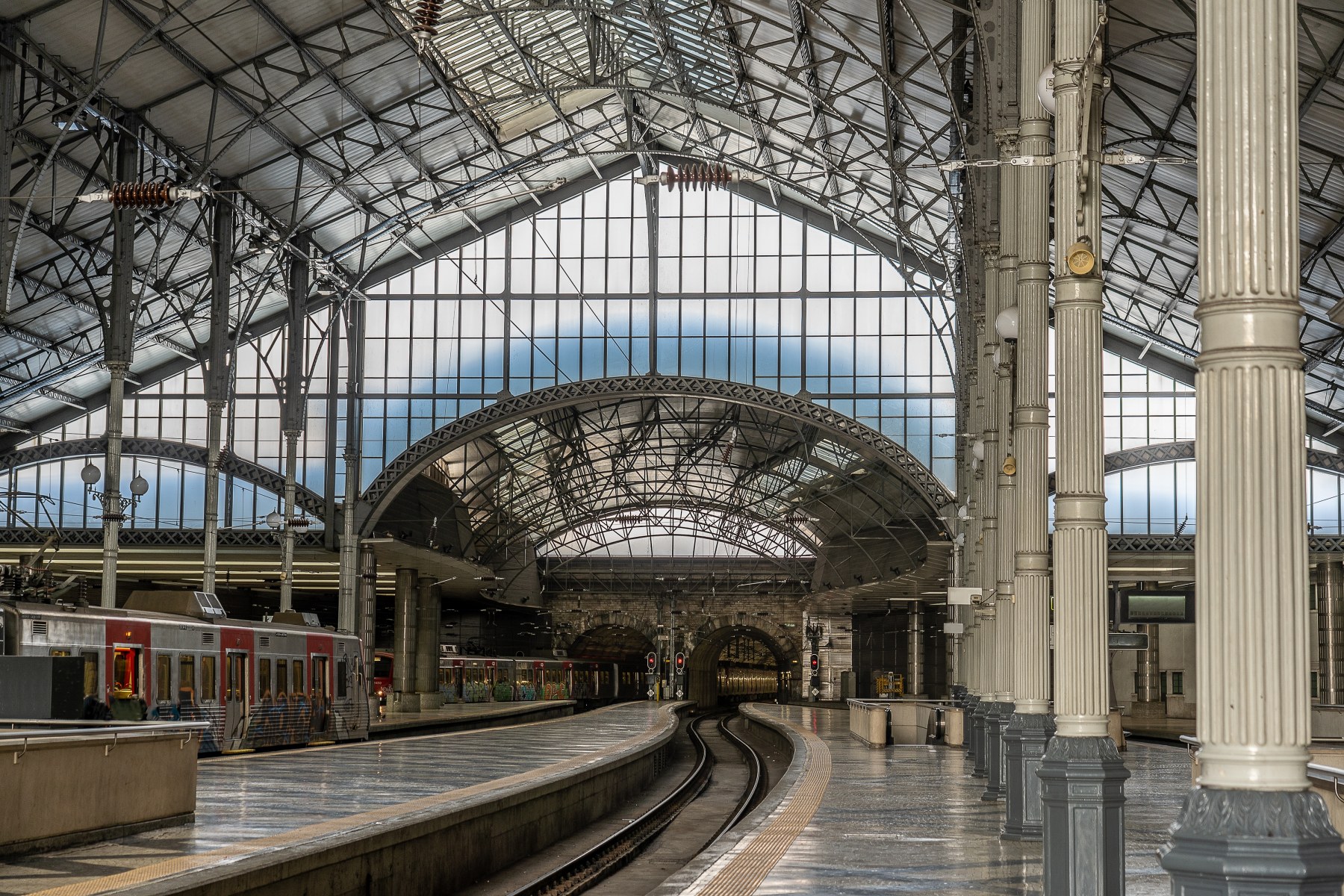
Sentul was once the heart of KL’s railway industry, housing one of the largest railway depots in Malaysia. While parts of it have been modernized, some elements of its past remain. The Sentul Depot, once an abandoned railway workshop, has been transformed into a creative space hosting art exhibitions, flea markets, and events.
Walking through Sentul, you’ll find old railway quarters and industrial remnants that harken back to a time when the railway was KL’s main mode of transport. It’s a neighborhood that blends history and reinvention, making it an intriguing stop for those interested in KL’s forgotten past.
Conclusion: Why These Neighborhoods Matter
These forgotten neighborhoods of KL are more than just relics of the past—they are living testaments to the city’s evolution. As KL continues to modernize, these areas serve as reminders of the traditions, cultures, and industries that built the city. Exploring them offers a deeper, more authentic experience of KL, one that goes beyond its polished façade and into its soul.
If you want to see KL from a different perspective, take a walk through these neighborhoods. You’ll discover a side of the city that many have forgotten—but one that still has countless stories to tell.